
A Government Accountability Report (GAO-26-108467), released on September 23, 2026, revealed that since Fiscal Year (FY) 2020, the number of disabled veterans eligible for dental benefits increased by seventy (70%) percent to 2.3 million.
The Department of Veterans Affairs (VA) provides dental care to eligible veterans, who meet certain requirements, such as having a 100 percent service-connected disability or being former prisoners of war.
Poor oral health can affect overall health and may be linked to serious conditions like heart disease. Congress has considered expanding eligibility to veterans who’ve been diagnosed with heart disease.
The VA has committed to spend $3.1 billion on dental care for veterans in FY 2025 and anticipates costs to increase. By expanding eligibility to disabled veterans with heart disease, it could add an additional 600,000 veterans to the number of veterans currently receiving dental care.
This projected increase in the number of veterans that could be eligible for dental care would require more VA dentists, dental hygienists and dental clinic space.
Recently, the VA, through its’ enrollment efforts, has now over nine (9) million enrolled veterans registered and eligible for receiving Veterans Health Administration (VHA) health care services.
According to VA, about 26 percent of VHA-enrolled veterans were eligible to receive dental benefits as of February 2026.
The growth is driven primarily by a greater number of veterans who are fully disabled and unemployable — designations that qualify them for free comprehensive dental coverage.
The GAO’s review of VHA data regarding demographic characteristics of veterans eligible for VA dental benefits from 2020 through 2025 found that the largest increase in veterans eligible for VA dental benefits occurred among younger veterans, under 50 years old.
Specifically, younger veterans composed twenty-one (21%) percent of eligible veterans in 2020 compared to thirty-six (36) percent in 2025. Other demographic characteristics of veterans remained relatively constant.
Using the VHA data for 2025, GAO projected that if all veterans with heart disease were eligible for dental benefits, the number of veterans eligible for VA dental benefits could increase by 25 percent from about 2.45 million veterans to about 3.07 million veterans.
The American Heart Association and others have reported a link between poor oral health and other serious health conditions, such as heart disease.
“In 2025, according to the GAO Report, approximately 930,000 veterans received care for a diagnosis of heart disease, including about 310,000 who were eligible and 620,000 who were not eligible for VA dental benefits.”
For example, the Senator Elizabeth Dole 21st Century Veterans Healthcare and Benefits Improvement Act required VA to begin a pilot program in 2026 in which VA provides dental benefits to certain veterans with heart disease.
The act also includes a provision for GAO to examine VA dental services and benefits. The GAO’s 79-page Report, describes: (1) the population of veterans eligible for VA dental benefits and (2) the potential effect of including all veterans with heart disease in the population eligible for VA dental benefits.
A bill pending in Congress would make comprehensive, no-cost dental care part of a standard medical benefits package for veterans enrolled in VA health care.
The H.R. 210, the Dental Care for Veterans Act is endorsed by the Veterans of Foreign Wars, the American Legion, Disabled American Veterans (DAV), Paralyzed Veterans of America and the Military Officers Association of America, among other veteran service organization. The bill would be phase in expanded dental coverage over a four-year period.
H.R. 210 has 113 co-sponsors, among them are Ohio Representatives Marcy Kaptur and Greg Landsman.
My opinion: A majority of health providers believe that poor oral health can affect overall health and may be directly linked to serious conditions like heart disease.
Under the auspices of Section 152 of the VA MISSION Act of 2018, Congress authorized the five (5) year VETSmile Pilot Program. This Program connected eligible veterans without VA dental benefits to free or discounted dental care through community dental schools and providers.
From July 2021 to December 2025 approximately 4,700 veterans received more than 101,000 dental procedures. This amounted to approximately $14.4 million in donated dental care, at no cost to the government.
However, the VETSmile Pilot Program ended in June of 2026.
In April of 2026, VHA officials told the GAO interviewers that “they had no plans to implement other pilot programs related to dental care but would use lessons learned from the VETSmile pilot program to inform future pilot program development if they changed their position.”
Currently within the 1,380 VA health care facilities, only 256 facilities have dental care programs. Some VA dental clinics do not have enough capacity to meet the urgent demand for services, and the GAO Report stated they must send veterans to community care providers for root canals.
We must do a better job in providing dental care for our veterans!
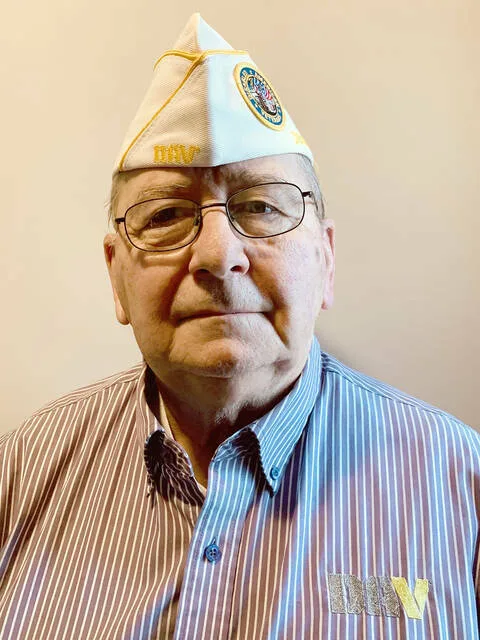
John Plahovinsak is a 32-year retired Army Veteran, who served from 1967 to 1999. He is the Disabled American Veterans (DAV) Department of Ohio’s Hospital Chairman and Adjutant of Chapter #63 (Clermont County.) He can be contacted at: [email protected]