
On September 15, 2026, Representative Nancy Mace signed House Resolution (H.Res.) 1247, the Major Richard Star Act “discharge petition.”
The “discharge petition” was originally submitted to the Clerk of the House of Representatives on May 21, 2026, by Representative Mark Takano. The “discharge petition” required 218 signatures of Representatives.
The signing of the “discharge petition” will force a direct floor vote in the House of Representatives on the Major Richard Star Act (H.R. 2102) bill that would end a longstanding policy requiring medically retired veterans to forfeit a portion of their military benefits.
The “discharge petition” accomplishment followed months of sustained advocacy by combat-injured veterans and a coalition of prominent veteran service organizations, including the American Legion (AmL); the Disabled American Veterans (DAV) ; the Military Officers Association of America (MOAA) and the Veterans of Foreign Wars (VFW).
An opinion article published in The Clermont Sun on June 17, 2026, detailed how extremely difficult it was to obtain the last five (5) signatures on the “discharge petition.”
Although the Major Richard Star Act has 340 co-sponsors in the House and eighty (80) co-sponsors in the Senate (including Ohio Senator Bernie Moreno), some of the co-sponsors failed to sign the “discharge petition.”
Ironically, the “non-signers” included three (3) original sponsors of the Act, Congressmen Gus Bilirakis, Mike Crapo and Rick Scott.
However, on April 26, 2026, Secretary of the Department of War Pete Hegseth stated, “As I have said in the past to other organizations, we support the Richard Star Act.”
Ohio Congressmen that cosponsored the Major Star Act but failed to sign the discharge petition were: Troy Balderson; Michael Carey; David Joyce; Max Miller; and Michael Turner.
Only five (5) Republicans signed the discharge petition. They were Brian Fitzpatrick; Anna Luna; Nancy Mace; Thomas Massie; and Jefferson Van Drew.
The crux of the Major Richard Star Act is that under current federal law, service members who are medically retired before reaching twenty (20) years of active duty face a dollar-for-dollar offset.
For every dollar the service members receive in Department of Veterans Affairs (VA) disability compensation for combat-related injuries, a dollar is then deducted from their military retired pay.
The proposed legislation amends federal law to eliminate this offset for Chapter 61 disability retirees, allowing over 50,000 combat-injured veterans to draw both earned retirement pay and disability compensation in full—a right already granted to retired veterans with twenty (20) or more years of service.
The next procedural step is that the motion for the vote must remain on the House Calendar for seven (7) legislative days before a signer can call it to the floor.
Because the House is currently in recess, lawmakers will not be able to call up the motion until the Representatives return to Washington in November. Once brought to the floor and adopted, the House will proceed immediately to a final vote on the pending legislation.
The legislation is named in honor of Major Richard A. Star, an Army combat veteran from northeastern Ohio, who served in Iraq and Afghanistan before being medically retired due to combat injuries.
After receiving a terminal Stage 4 colon cancer diagnosis, he spent his remaining years campaigning to fix the benefit offset. Major Richard Star died on February 13, 2021.
“The 218 signatures on the discharge petition means the House has spoken. A majority of Members, Democrats and Republicans, said enough is enough,” said Congressman Mark Takano.
“Combat-injured veterans shouldn’t have to choose between the retirement they earned and the disability compensation they’re owed,” continued Takano. “The time for that debate is over.”
“It’s past time to eliminate the ‘wounded veteran tax’ that reduces the benefits that our veterans earn with their service and sacrifice,” said Rep. Chris Pappas. “I thank our veterans for speaking out and for their leadership on this issue.”
My opinion: Although the victory of obtaining the necessary 218 signatures on the discharge petition is still fresh in the minds of veterans, I am skeptical of the timing of Representative Nancy Mace’s signature.
On June 9, 2026, the Republican Primary for Governor was held and Rep. Mace came in fifth with less than 13% of the vote. She did not run for Congress and will not be a part of the 120th Congressional Session.
On June 17, 2026, Representative Luna signed the discharge petition as the 217th signee. If Representative Mace would have signed the discharge petition sometime after June 17, 2026, the House vote on the Major Richard Star Act would have been already been conducted.
Speaker of the House Michael Johnson has already recessed the House for seven (7) weeks and they should return in November after the election.
One Congressional observer indicated that the Speaker’s recess decision “was a deliberate scheduling move to end the session early, prioritizing constituent time over pending votes.”
It appears that disabled veterans and the Major Richard Star Act will be “sidetracked” again. These veterans don’t deserve the treatment that they are receiving from Congress!!
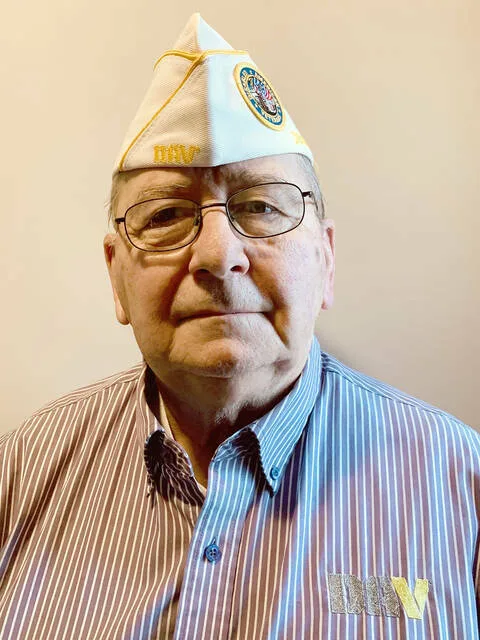
John Plahovinsak is a retired 32-year Army veteran who served from 1967 to 1999. He is the Disabled American Veterans (DAV) Department of Ohio’s Hospital Chairman and Adjutant of Chapter #63 (Clermont County). He can be contacted at: [email protected].
Subscribe to The Clermont Sun today!
https://www.clermontsun.com/subscribe