
It is possible for veterans to commit fraud accidentally when dealing with the Department of Veterans Affairs (VA). This can occur through reporting mistakes, the VA’s confusing rules, and the errors made by third parties, who complete the disability compensation claim in behalf of veterans.
Occasionally, veterans find themselves accused of benefits fraud without their intent to deceive. The problem is not criminal behavior by the veteran, but a misunderstanding by the veteran on how VA benefits regulations and rules actually work.
In disability compensation claims, the VA benefits programs rely on self-reported information. Veterans must accurately report symptoms, any type of functional limitations and any changes in their medical condition.
Problems for the veterans occur when they unintentionally omit important details or provide contradictory accounts on different examinations or required forms.
The VA Office of Inspector General (OIG) indicated that discrepancies between medical records or employment history with veterans’ statements are a common trigger for fraud referrals. This can occur even when there is no evidence of deliberate falsification.
The OIG is required to investigate and resolve situations where essential facts are disputed or there are evidence conflicts.
Another source of accidental fraud occurs with VA overpayments, which are caused by veteran’s failure to report changes in their circumstances.
For example, veterans receiving need-based benefits, such as certain housing assistance, must promptly report changes in income, employment, marital status, or dependents.
The VA stipulates that failing to timely report changes that affect entitlement can lead to overpayment and the creation of a debt to the VA. The key to the removal of the debt is that the OIG investigation proves either no fraud, bad faith or misrepresentation.
Some veterans place their faith in hiring “unaccredited claims consultants” or “claim sharks.” These “claim sharks” (or “third parties”) charge illegal fees, submit unsupported claims or encourage veterans to pursue diagnoses without medical evidence.
Some “unaccredited claims consultants” charge a flat fee to submit a disability compensation claim, while others rely on a percentage of the veterans first check or subsequent checks.
While the VA prohibits most paid assistance outside accredited representatives, disabled veterans are still legally responsible for the accuracy of submissions made on their behalf.
Improper claims preparation by third parties can expose veterans to investigations or debt recovery actions, even when the veteran relied on bad advice in good faith.
For example, if the veteran paid a “claim shark” to prepare a claim that was determined by the OIG to be fraudulent, the veteran also would have to pay back not only the money that the veteran received, but also what the veteran paid the “claim shark” as a fee or percentage.
Another area of confusion is that veterans, who are receiving the 100% rate of disability compensation through Total Disability based upon Individual Unemployability (TDIU). These veterans can unintentionally incur problems when they return to work.
The TDIU is tied to a veteran’s inability to find or maintain substantially gainful employment because of service-connected disabilities. The VA regulations require veterans receiving TDIU to report employment and earnings so the VA can determine whether continued TDIU eligibility exists.
The failure to report work activity or income can trigger a VA investigation, and in some cases, allegations of fraud that a veteran misrepresented their ability to work.
The VA states the reporting requirement is often misunderstood because not all 100%-level benefits are administered in the same manner.
According to the VA, statutory housebound benefits, paid under Special Monthly Compensation (SMC-S), are based on specific disability rating combinations rather than employability. This means a veteran may qualify for housebound compensation even if they are able to work.
These programs rely on different legal standards. Veterans transitioning back into civilian employment may reasonably, but incorrectly, assume that work activity does not affect their benefits.
The distinction is set by statute and regulation, but it is not always totally understood by the veteran, who is using unaccredited third-party assistance.
My opinion: Yes, in a technically legal sense, fraud requires intent. However, veterans often experience OIG investigations, benefit suspensions, or debt collection actions long before the intent or non-intent issue is resolved.
Many OIG cases are initially categorized as “benefits fraud,” but begin as administrative discrepancies – not criminal schemes.
Complex and confusing rules, coupled with unclear reporting requirements and reliance on unaccredited VA-third parties make it easy for veterans to unintentionally violate technical requirements without realizing it.
Ohio veterans have free assistance to navigate the VA benefits system via the County Veterans Service Commissions or accredited Veterans Service Organizations such as the Disabled American Veterans (DAV) Veterans of Foreign Wars (VFW) or the American Legion.
These organizations, if used, will stand by the veteran to ensure that they receive the benefits that they have earned by their military service. “Claim Sharks” or non-VA accredited third parties, will just take the veterans’ earned compensation benefits and run!
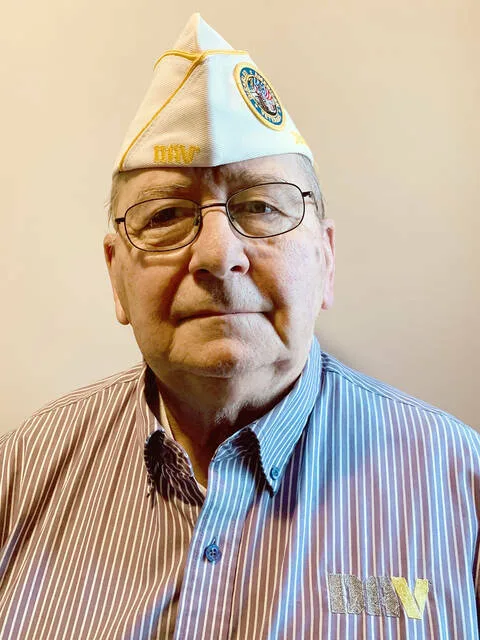
John Plahovinsak is a 32-year retired Army veteran who served from 1967 to 1999. He is the Adjutant of the Disabled American Veterans (DAV) Chapter #63 (Clermont County).